The Geography of Belonging: Finding Home in Place and Identity
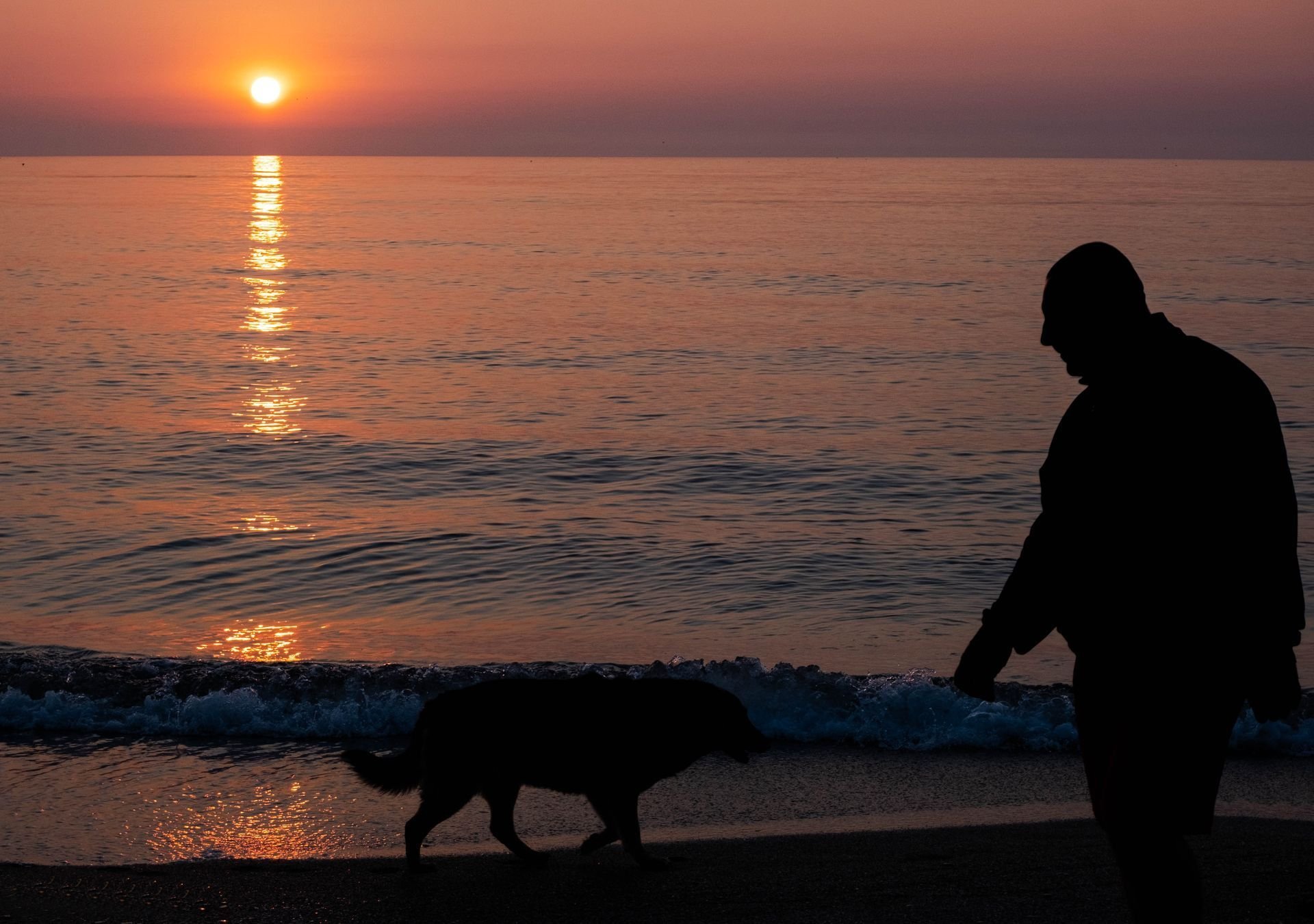
Between maps and memories — finding a place that feels like home.
Some places hold us before we know we need to be held.
A certain stretch of land.
A scent on the wind.
A room where the light falls just right.
A voice that says, without words: You're home now.
Belonging isn't always a fixed point on a map.
It's a feeling. A resonance. A recognition.
And like all deep truths, it lives in layers — physical, emotional, ancestral, spiritual.
More Than Just a Place: The Psychology of Belonging
We often think of belonging as a place we reach — a city where we finally feel understood, a family we grow into, a group that accepts us. But belonging isn't only external.
Sometimes it has nothing to do with where we are.
And everything to do with how we feel in our own skin.
I've worked with people who have traveled continents chasing a sense of home, only to find it in stillness — in a journal, a ritual, a hard conversation, a moment of self-compassion.
Others have found it in return — in reclaiming a language, a lineage, a truth that was once lost or taken. This journey often intersects with generational patterns and inherited stories.
Belonging doesn't always shout. Often, it hums.
And we know it by what it unlocks inside us.
The Body Remembers: How We Carry Maps of Safety and Connection
One of the most profound realizations in recent psychology is that the body keeps a map of where we've felt safe — and where we haven't.
Places where we were seen.
Places where we were silenced.
People who felt like shelter.
People who felt like exile.
The nervous system keeps score.
It registers not only trauma but safety, regulation, connection. And the places and people who made us feel anchored — even for a moment — leave imprints just as real as any coordinates on a map.
Sometimes, the geography of belonging is inside the body:
The way your breath softens when you're finally heard.
The way your shoulders drop when you're not performing.
The quiet "yes" in your chest when you don't have to explain yourself.
Exile and Return
For many, the story of belonging includes exile — feeling out of place in our families, our cultures, our own lives. Cities like Istanbul embody this complexity of belonging across cultures and continents.
Sometimes we learn to adapt by becoming who others need us to be.
Sometimes we stay small to stay close.
Sometimes we walk away — not because we don't care, but because we need to find space to breathe.
And yet, even in exile, the pull of home remains.
Not always the home we came from, but the home we're meant to build — or rebuild — within ourselves and with others who meet us as we are.
Belonging is not about fitting in.
It's about being felt.
Seen without shrinking. Loved without performing. Held without having to explain your existence.
The Science of Connection: Why Belonging Is a Biological Need
Research shows that a sense of belonging is not just emotional — it's biological.
Social neuroscientists have found that humans are wired for connection. When we feel we belong, our brains release oxytocin, reducing stress and increasing trust. Our immune systems function better. Our risk of depression drops. Even physical pain is lessened.
In contrast, chronic loneliness and exclusion activate the same regions of the brain as physical injury. Emotional exile wounds just as deeply — and often more silently.
This is why belonging isn't a luxury.
It's a core human need.
And yet, it's one so many of us have been taught to live without.
Making Space for Others — and Ourselves
Sometimes we're searching for belonging.
Other times, we're called to create it — for others and for ourselves.
By being the first in our family to speak the truth.
By building spaces where difference is welcomed, not erased.
By learning to belong to ourselves, even when the world doesn't offer us a seat.
By letting go of the need to be chosen and choosing ourselves, fully.
Belonging grows in spaces where vulnerability is safe.
It flourishes when presence replaces performance.
And it deepens every time someone says, "You don't have to be anything else to be loved here."
Why Nomirian Exists
Nomirian is rooted in this truth: that belonging is not one place, one community, or one identity.
It's a living geography.
One we carry. One we create. One we return to again and again.
Whether you're reconnecting to who you were before the world told you who to be, or stepping into new territory with open hands — you deserve to feel at home.
Here, we honor the search.
We honor the complexity.
We honor the quiet power of people finding their way back to themselves — and each other.
Join us for retreats exploring belonging, place, and identity in intentional community spaces.
One Last Thought
Maybe you haven't found your place yet.
Maybe you've had to leave the place that once felt like home.
Maybe you're building something new from the pieces of what was.
Whatever the case, know this:
You belong.
Not because you've earned it.
Not because you've proven yourself.
But because you're here.
Alive. Breathing. Becoming.
That's enough.
Frequently Asked Questions About Belonging
What is a sense of belonging?
A sense of belonging is the feeling of being accepted, valued, and connected to a place, group, or community. It's more than just physical presence — it's the experience of being seen, understood, and welcomed as you are. Psychologically, belonging encompasses feeling safe, recognized, and integrated into a social fabric. It can be tied to geography, culture, relationships, or even an internal sense of being at home in your own skin. Learn more about Cătălina's approach to identity and belonging through psychology and place.
How do you find where you belong?
Finding where you belong often involves both outer exploration and inner work. Pay attention to where you feel most yourself — places, people, or activities where you don't have to perform or shrink. Notice where your nervous system relaxes, where you're met with curiosity rather than judgment. Sometimes belonging is found through inner journey work, reconnecting with your values, or seeking communities that honor your authentic self. It's less about fitting in and more about being felt.
Can you belong to multiple places?
Absolutely. Belonging isn't singular or fixed. Many people experience belonging across multiple geographies, cultures, communities, or identities. This is especially true for immigrants, third-culture individuals, and those who've moved frequently. You can belong to your ancestral homeland, your current city, your chosen community, and the internal landscape you've cultivated. Belonging is a living geography — one we carry and create across contexts.
What is place attachment in psychology?
Place attachment is the emotional bond between people and specific locations. Environmental psychology research shows that we form deep connections to places that hold meaning, memory, or safety. These attachments influence our identity, well-being, and sense of stability. Place attachment can be to a childhood home, a city, a natural landscape, or even a specific room. When we lose these places (through displacement, migration, or change), we can experience grief similar to losing a relationship.
How does displacement affect identity?
Displacement — whether physical, cultural, or emotional — can profoundly impact identity. When we're separated from familiar places, languages, or communities, we may experience disorientation, grief, or a sense of being "between worlds." This can also intersect with collective trauma for refugees, immigrants, or marginalized groups. However, displacement can also catalyze growth: many people develop resilience, adaptability, and a more expansive sense of self through navigating multiple worlds.