
Istanbul: The City of Thresholds Between East and West
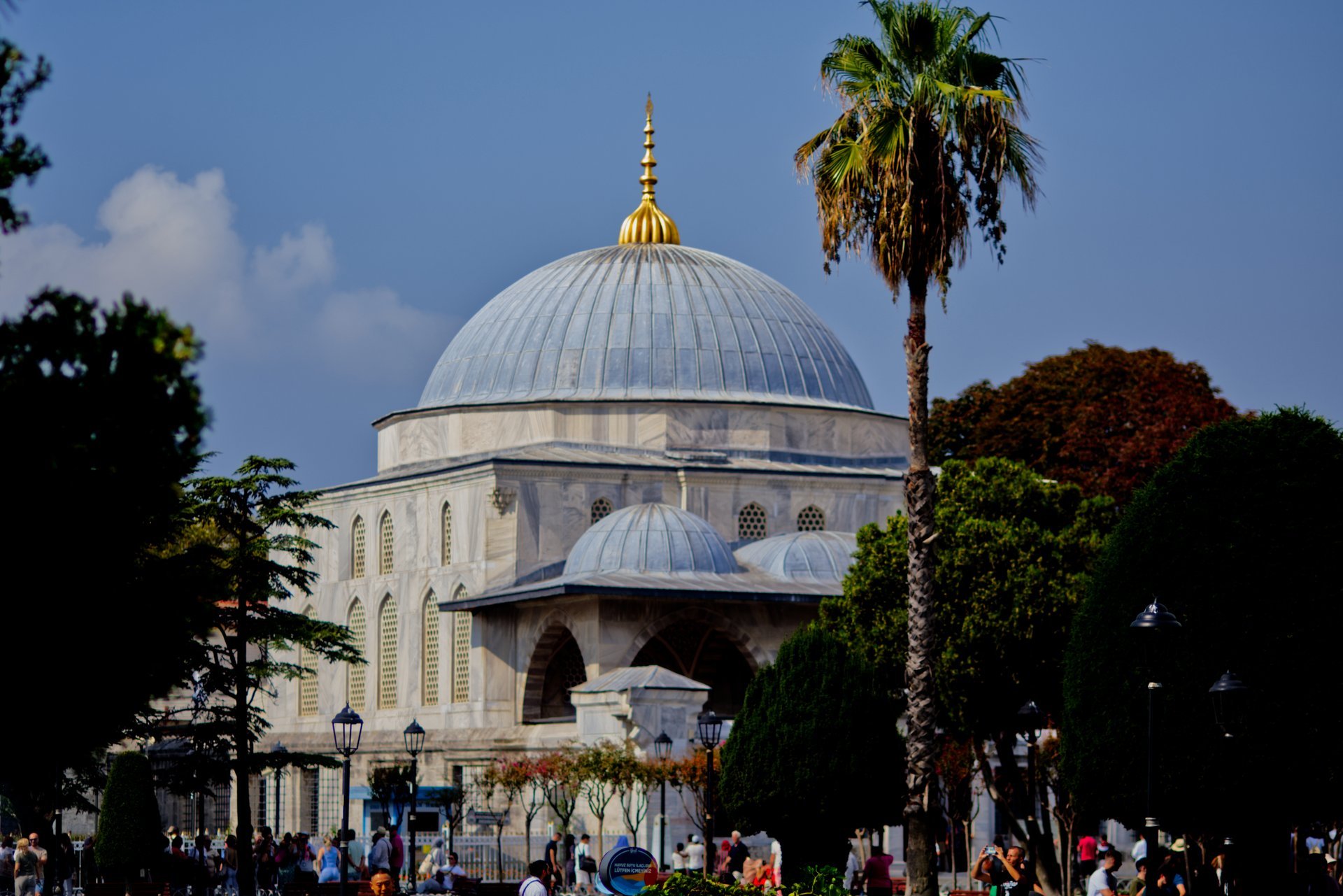
The City of Thresholds
There are cities that sit quietly behind their history. Then there's Istanbul — a city that lives its history, breathes it, wears it like a coat. From the moment I set foot there, something in me recognized this place. It surprised me on every level.
A Brief Historical Frame: Understanding Istanbul's Rich Heritage
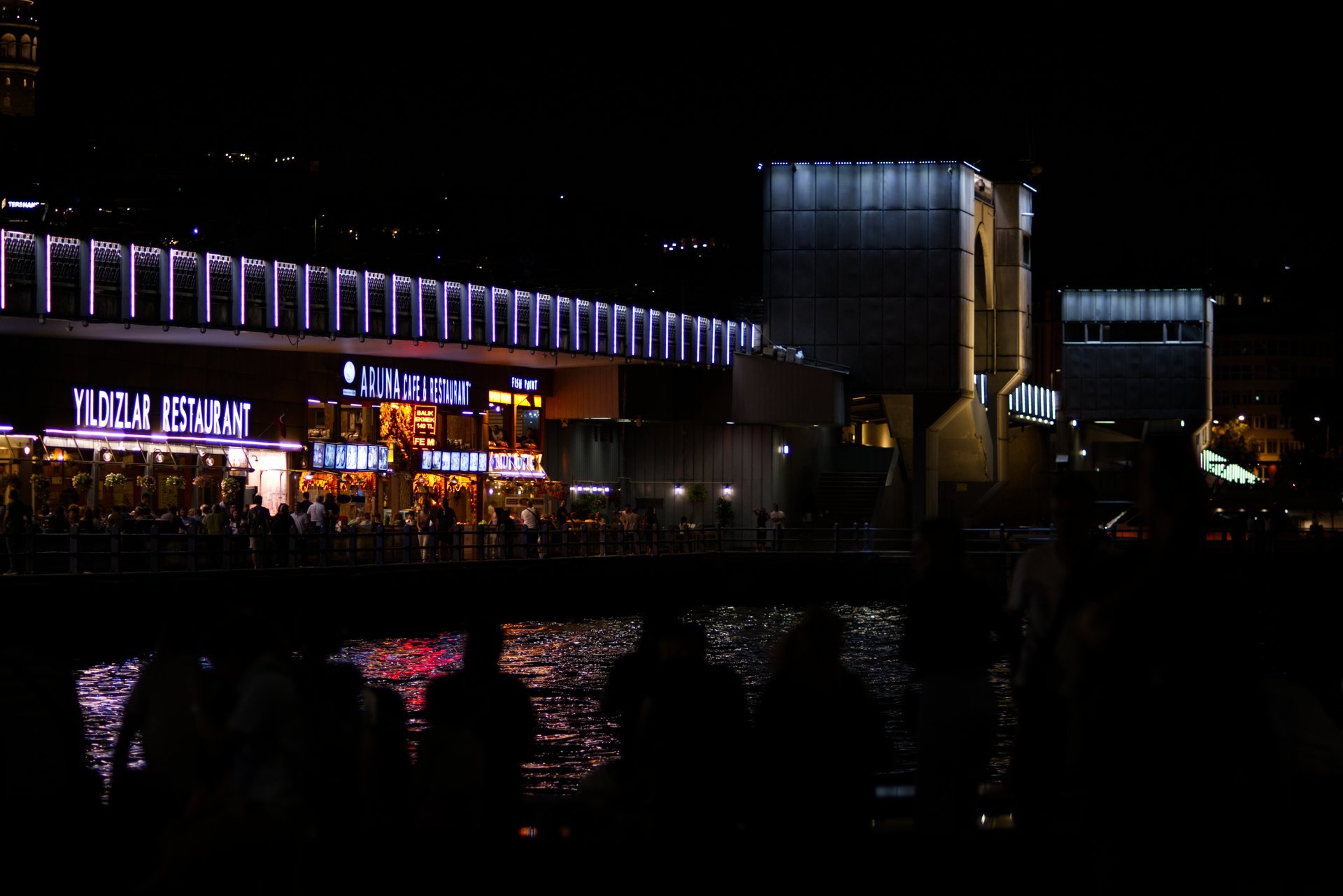
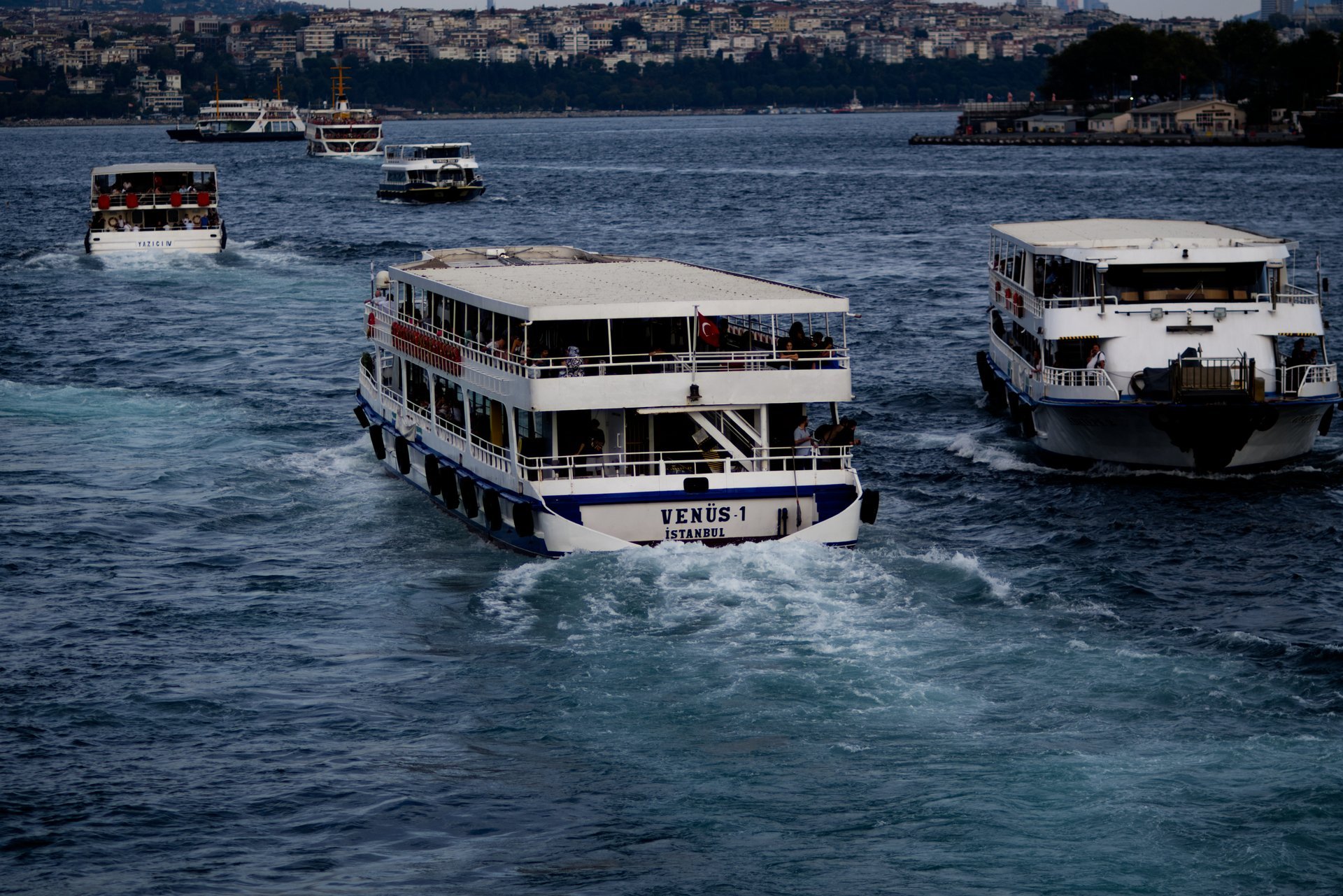
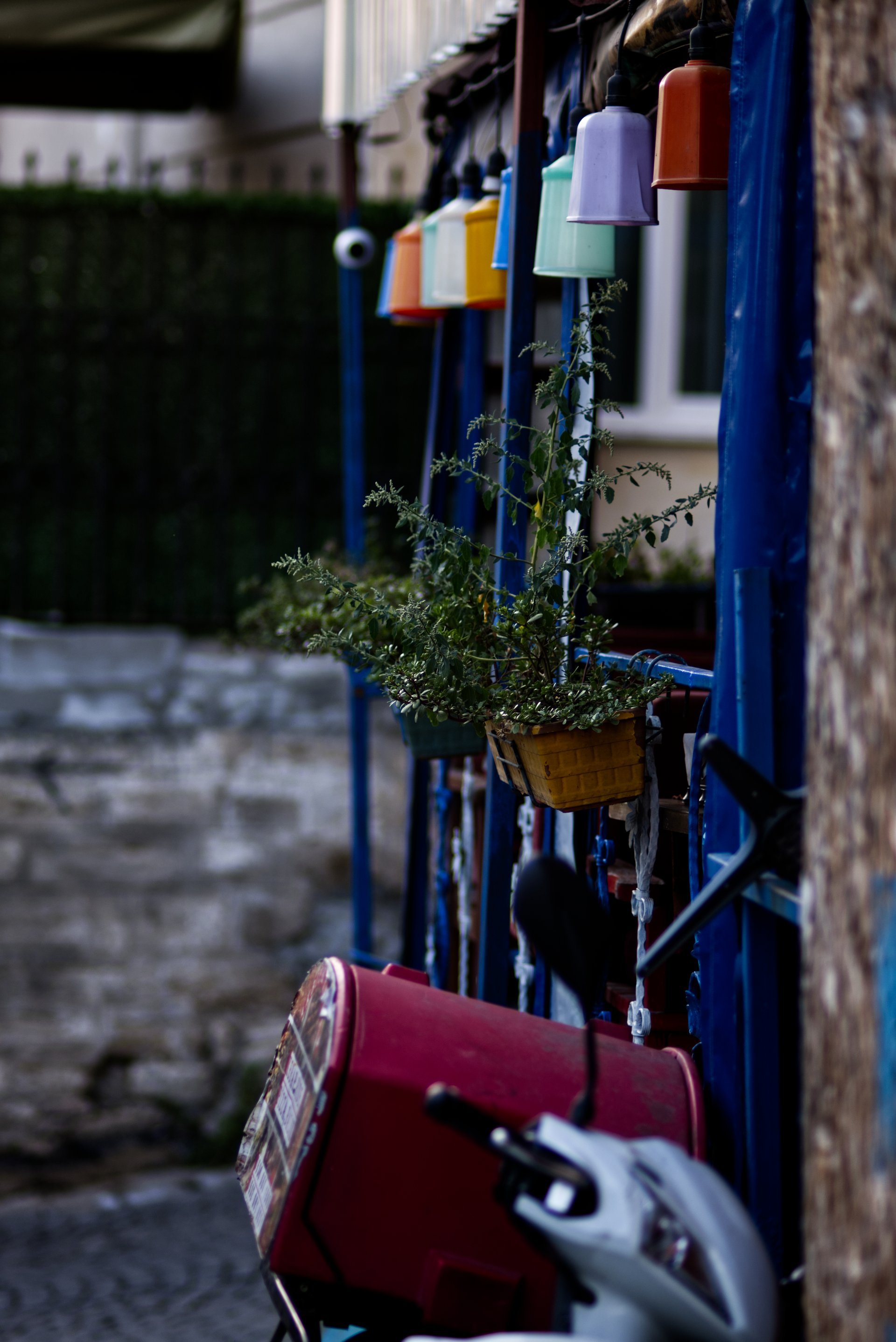
The story of Istanbul begins far before modern Turkey. Archaeological finds show human presence in the area dating back several thousand years.
Around the 7th century BCE, Greek settlers from Megara founded the city of Byzantium on what is now Istanbul's European side.
In 330 CE, Emperor Constantine the Great proclaimed the city (renamed Constantinople) as capital of the Roman Empire.
After centuries under Byzantine rule, Constantinople fell to the Ottoman Turks in 1453, ushering in a new era.
Though the modern Turkish Republic moved its capital to Ankara in 1923, Istanbul remained and remains a cultural, economic and historic heart.
Throughout these shifts the city has been a bridge — literally between Europe and Asia across the Bosphorus, and symbolically between empires, religions, cultures. Istanbul's layered history holds collective memory of empires, conquests, and cultural transformations.
My Impressions — What the City Did to Me
While the history gives the bones, my time in Istanbul gave the feel.
It surprised me at every level.
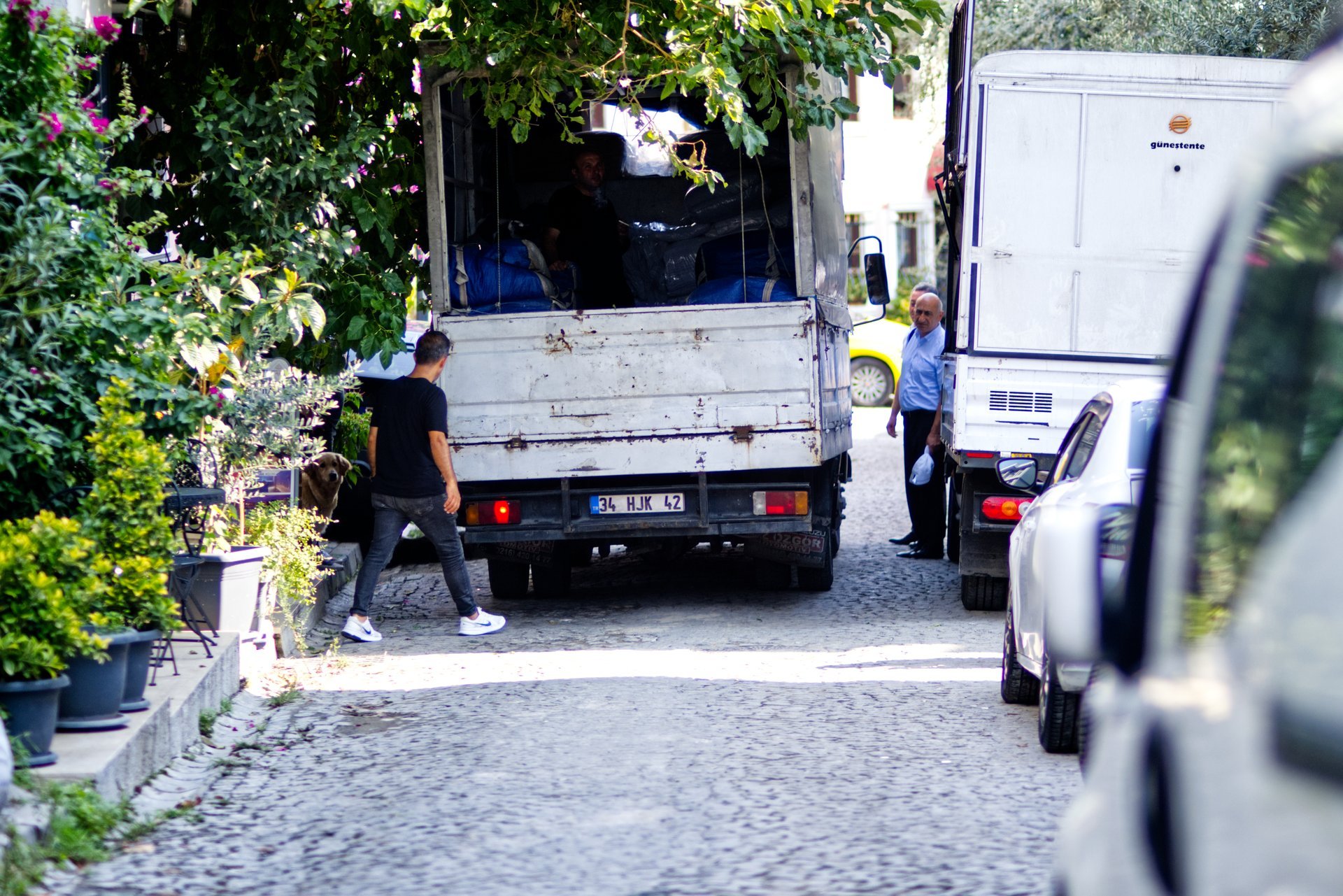
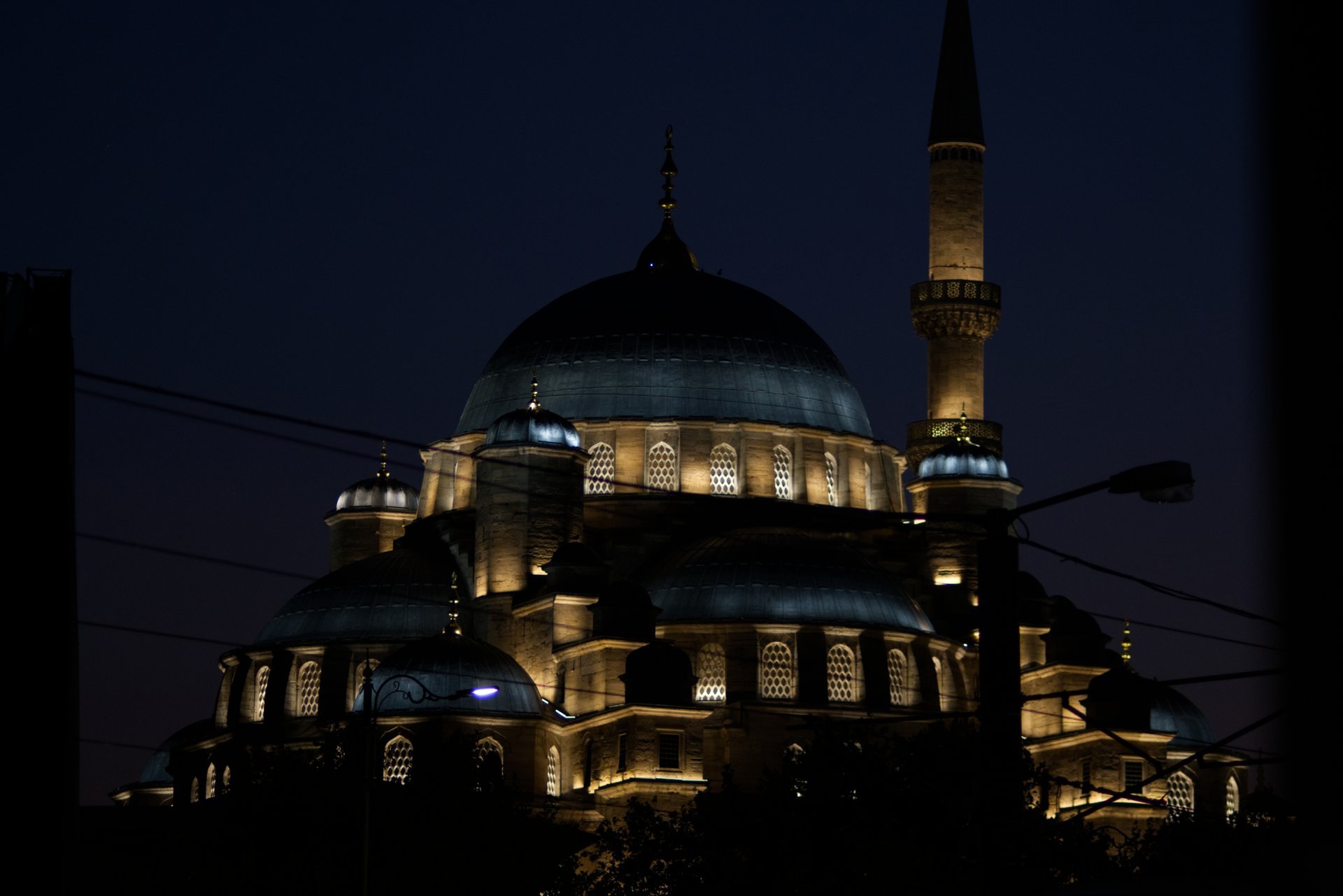
Wandering its streets I found layers: ancient walls, Ottoman mosques, modern cafés, and people living their lives in the mix. No one layer dominates. Everything overlaps. The surprises came in quiet details: the curve of a minaret against sky, the unexpected alley, the hum of a ferry motor.
It felt like "home".
Not home as in familiar, but home as in allowed to be, at ease. There was a specific kind of freedom — the freedom of not needing to perform, of not needing to ask permission. It was as though the city told me: You're simply here. I could walk, I could sit, I could pause. I could watch the ferries cross the Bosphorus and not feel out of place.
Alive. Vibrant. A festival of everyday life.
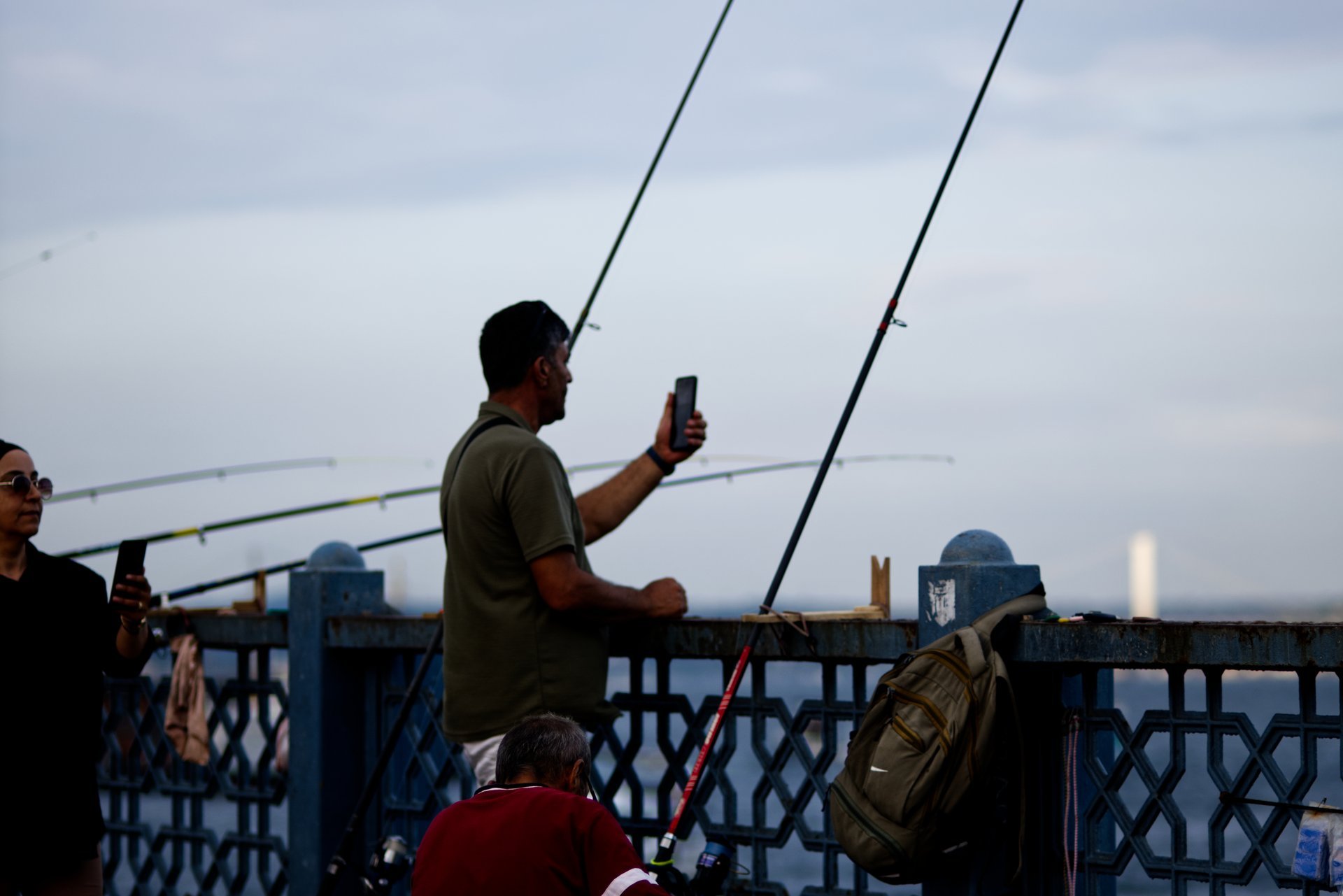
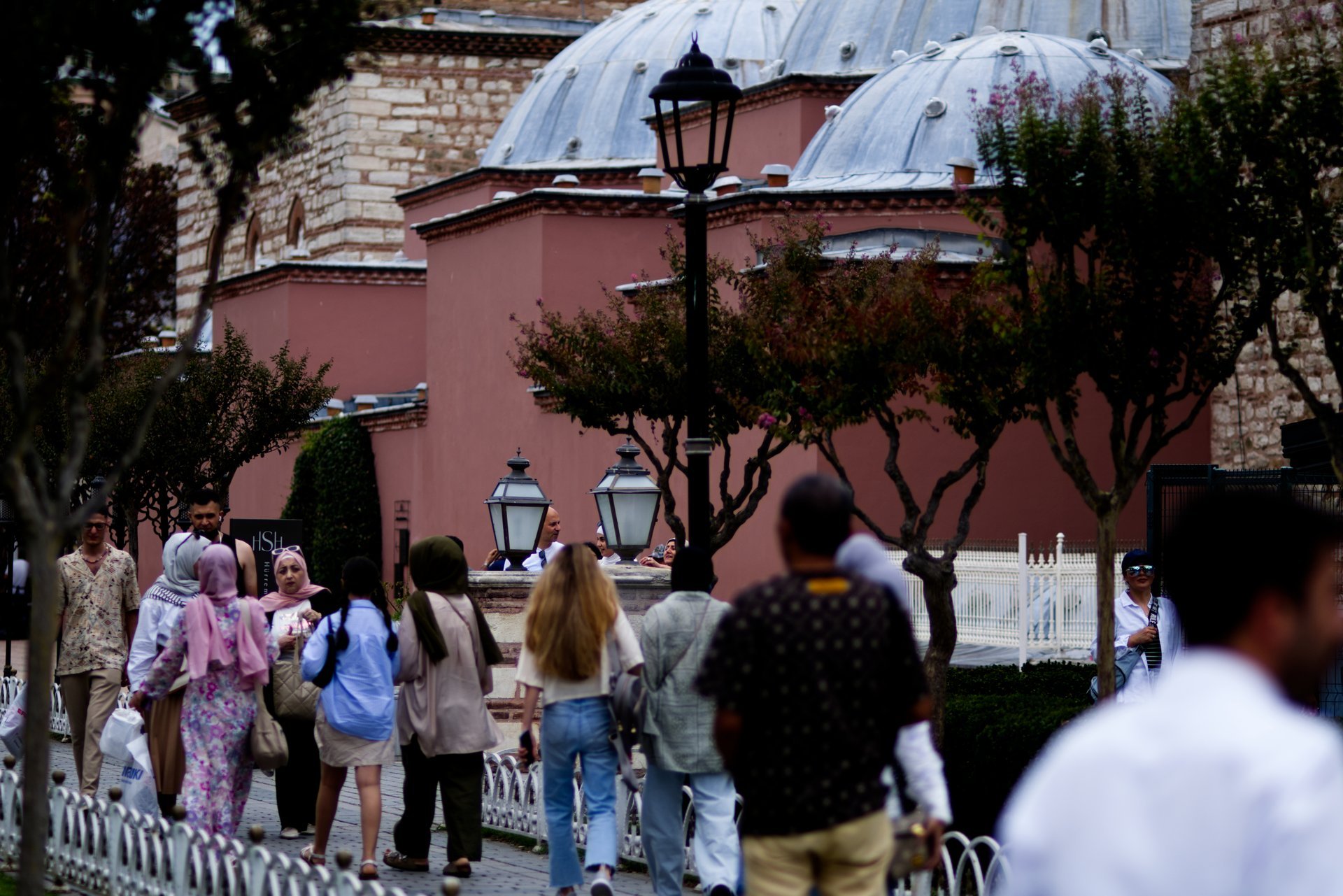
Everywhere there's movement — vendors, children, fishermen, tourists, locals. The city pulses. And that pulse felt generous, inclusive, not chaotic or excluding. It felt like being inside something bigger and kind.
A ritual of calm through faith.
I witnessed religious rituals — the call to prayer, the communal gathering in mosque courtyards, the patience of people. And they gave me a state of calm. It wasn't forced or theatrical. It was seamlessly part of life. I got used to it quickly, and I saw this calm as a fabric of daily existence here. It anchored the vibrancy.
The people.
Friendly, open, smiling. Helpful with a twinkle of humour, but never intrusive. I carried my backpack, I asked directions, I hesitated — and someone would step in, gently. Their smiles felt real. Their presence reassuring.
Experience transformative travel that honors depth, reflection, and cultural richness — journeys that go beyond tourism.

Why It Matters
Istanbul shows us what belonging might feel like when it's not about sameness but about presence. The city doesn't ask you to be someone else. It asks you to show up.
It also reminds us that history isn't just monuments and dates. It's living voices, echoing footsteps, shared meals. It's the mosque and the tram and the ferry and the laughter of children and the song of vendors.
The Call of Istanbul: Where History Lives and Breathes
Walk the old city and you'll see physical markers of the eras: the vast dome of the Hagia Sophia built under Justinian in 537 CE. The fortified walls of the Byzantines. The mosques and caravanserais of the Ottomans. The modern towers of today. Each layer doesn't wipe out the previous — it builds on it. That's one reason the feel of the city is neither frozen nor transient: it is continuous.
My Personal Takeaway
Istanbul taught me that home can be a feeling of acceptance.
That freedom can mean allowing oneself to drift, to observe, to be still.
That vibrancy doesn't have to clash with calm — the two can coexist.
That history isn't only in books — it's beneath your feet, in the stone steps, the ferry routes, the cafe corners.
And that kindness can be subtle and powerful — a smile, a helping hand, a shared glance.
In Closing
Istanbul isn't perfect. No city is. But it reminded me of something I'd forgotten: the world can feel wide and welcoming at once.
If you go:
Let yourself walk without agenda.
Let the ferry carry you across continents and remind you how borders can be fluid.
Sit in a mosque courtyard when you can and listen.
Talk to someone — a vendor, a passer‑by.
Pause and feel the layers beneath you.
You might leave changed. Because Istanbul doesn't just ask you to look forward or backward. It asks you to stand still, breathe, and belong.
Frequently Asked Questions About Istanbul
What makes Istanbul culturally unique?
Istanbul is the only major city in the world that straddles two continents — Europe and Asia — separated by the Bosphorus Strait. This geographical position has made it a cultural crossroads for millennia, blending Eastern and Western influences in architecture, cuisine, religion, and daily life. The city has been capital to three great empires (Roman, Byzantine, and Ottoman), each leaving distinct layers of heritage. This unique fusion creates a vibrant cultural identity where mosques stand beside churches, traditional bazaars neighbor modern cafes, and ancient history coexists with contemporary urban life.
Why is Istanbul called the city between two continents?
Istanbul literally sits on both sides of the Bosphorus Strait, which forms the natural boundary between Europe and Asia. The European side includes the historic peninsula (old Constantinople) and modern districts like Beyoğlu, while the Asian side features neighborhoods like Kadıköy and Üsküdar. Ferries constantly cross between continents, making it possible to have breakfast in Europe and lunch in Asia. This unique geography has shaped Istanbul's identity as a bridge between cultures, religions, and civilizations for over 2,600 years.
What is Istanbul's historical significance?
Istanbul (formerly Byzantium and Constantinople) has been one of the world's most important cities for over two millennia. Founded by Greek colonists around 660 BCE, it became the capital of the Roman Empire under Constantine the Great in 330 CE. As Constantinople, it was the heart of the Byzantine Empire for over 1,000 years. After the Ottoman conquest in 1453, it remained the imperial capital until 1923. The city has been a center of Christianity, Islam, trade, art, and political power, influencing world history through its strategic location controlling access between the Black Sea and Mediterranean.
How does Istanbul blend Eastern and Western culture?
Istanbul's cultural blend is visible everywhere: Byzantine churches converted to mosques (like Hagia Sophia), Ottoman palaces with European-influenced architecture, traditional Turkish tea houses next to Italian cafes, and the call to prayer echoing over neighborhoods with European-style boulevards. The cuisine fuses Mediterranean, Middle Eastern, and Central Asian influences. People navigate between traditional values and modern lifestyles. This isn't a superficial mix — it's a deep, lived integration born from centuries of being a meeting point between civilizations. The city embodies the idea that belonging can be fluid and multifaceted.
What should I know about Istanbul's cultural identity?
Istanbul's cultural identity is layered, complex, and constantly evolving. It's deeply Turkish yet cosmopolitan, traditional yet modern, spiritual yet secular. The city honors its Ottoman and Byzantine past while embracing contemporary global culture. Respect for history coexists with innovation. Hospitality is central to the culture — strangers are welcomed, tea is shared, and kindness is subtle but powerful. Understanding Istanbul means accepting paradox: it's a city of thresholds where opposites don't clash but coexist, creating something entirely unique.